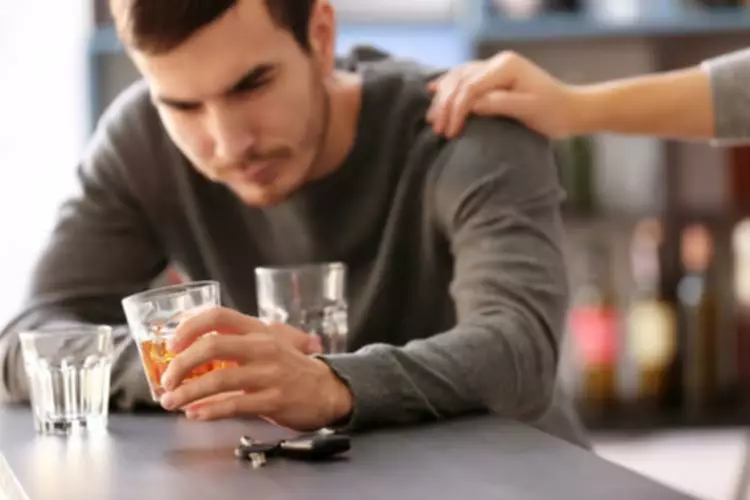
There’s a lack of evidence linking reduced alcohol consumption to weight loss. A study published in 2016 found that decreasing light-to-moderate alcohol consumption did not significantly affect weight loss. Still, the researchers noted that reducing alcohol intake led to less impulsivity, like overeating. Additionally, one study found that people who drank one drink per day had the least amount of fat. Those who consumed less overall, but had four or more drinks on drinking days, were at the greatest risk of weight gain (37).

Drinking Was Hard On My Marriage. So Was Recovery.
Keep in mind that the more you drink, the higher your risk of weight gain is. Exercise is also a really effective way for both men and women to lose belly fat. Both cardio and https://ecosoberhouse.com/article/addiction-to-amphetamine-symptoms-treatment-and-recovery/ high-intensity exercise can help (45, 46, 47, 48, 49, 50, 51). Try to avoid binge drinking, or having a lot of alcohol over one or two days. This could be important since beer contains more calories than many other sources of alcohol.
What is Shilajit, Fulvic Acid, and Humic Acid? Benefits for Gut Health and More
- Those messages aid in your body’s stress response and help control your energy and metabolism.
- Some people’s bodies and metabolisms take several months to recalibrate after stopping drinking, meaning you may not see any weight loss in the first month.
- Those extra numbers on the scale are likely a result of bloat, water retention, and a digestive system that’s not firing on all cylinders.
- By cutting back on binge drinking, you could inadvertently lose weight to achieve a lower body mass index (BMI) without making any other changes to your lifestyle.
- Interestingly, some studies have linked drinking moderate amounts of wine with lower body weights (35).
Drinkaware has a wonderful, reality-inducing tool that lets you calculate exactly how many calories you’re consuming when you go for drinks. “Some people think of the effects of alcohol as only something to be worried about if you’re living with alcohol use disorder, which was formerly called alcoholism,” Dr. Sengupta says. Compared ounce for ounce, alcoholic drinks’ calorie count will vary.
How is Alcohol Linked to Weight Gain?
After your body has depleted all its energy metabolizing the alcohol, it wants to be replenished. As I mentioned above, lower testosterone levels means a reduced ability to burn fat. This is because alcohol activates starvation mode in the brain, which is why you may suddenly catch yourself eating an entire bag of Doritos after a long night out as if your life depended on it. You’ve just poured 674 nutritionally empty calories into your body.
- However, according to some of the studies referenced in the Traversy and Chaput article, lifestyle, rather than alcohol per se, may promote weight gain.
- Alcohol also lowers testosterone levels which greatly slows your body’s ability to burn fat while at rest, further contributing to weight gain.
- You can strike a balance if you’re looking to lose weight while still enjoying an occasional drink with friends.
Why do I gain weight after drinking alcohol?
Sharing an alcoholic beverage with someone is a common way to does alcohol make you gain weight celebrate, wind down, or enjoy a night out. Alcohol can cause weight gain and bloating, especially when consumed in moderate to heavy amounts. Avoiding alcohol is the best way to prevent weight gain from the beverage. A healthcare provider can help guide treatment if you have concerns about drinking or weight loss. Some evidence suggests that eliminating alcohol among people who drink heavily helps control weight.
- So, your system prioritizes getting rid of alcohol before it can turn its attention to its other work.
- It’s been suggested that beer drinking may increase belly fat in a number of ways.
- Eventually, you can develop permanent and irreversible scarring in your liver, which is called cirrhosis.
- If you tend to uncork a bottle of wine each night with dinner or crack a beer as soon as it hits 5 p.m., you may wonder if these habits are causing weight gain or preventing you from losing weight.

First, it has been found that alcohol intake increases energy expenditure, likely due in part to the fact that it has a high thermogenic effect 53. It has also been suggested that some of the energy ingested as alcohol is ‘wasted’, due to the activation of the inefficient hepatic microsomal ethanol-oxidizing system (MEOS). The MEOS is induced through chronic alcohol intake, and the level of induction increases with increased intake 54, 67. Oxidation of alcohol via the MEOS produces less ATP than oxidation via alcohol dehydrogenase, using the energy from alcohol intake primarily to enhance heat production 37, 54. The extent to which wasted energy from regular alcohol consumption contributes to weight gain prevention is unclear.